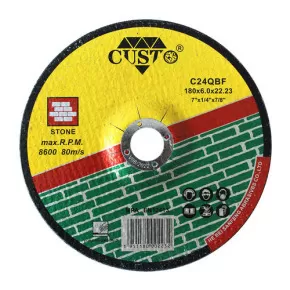
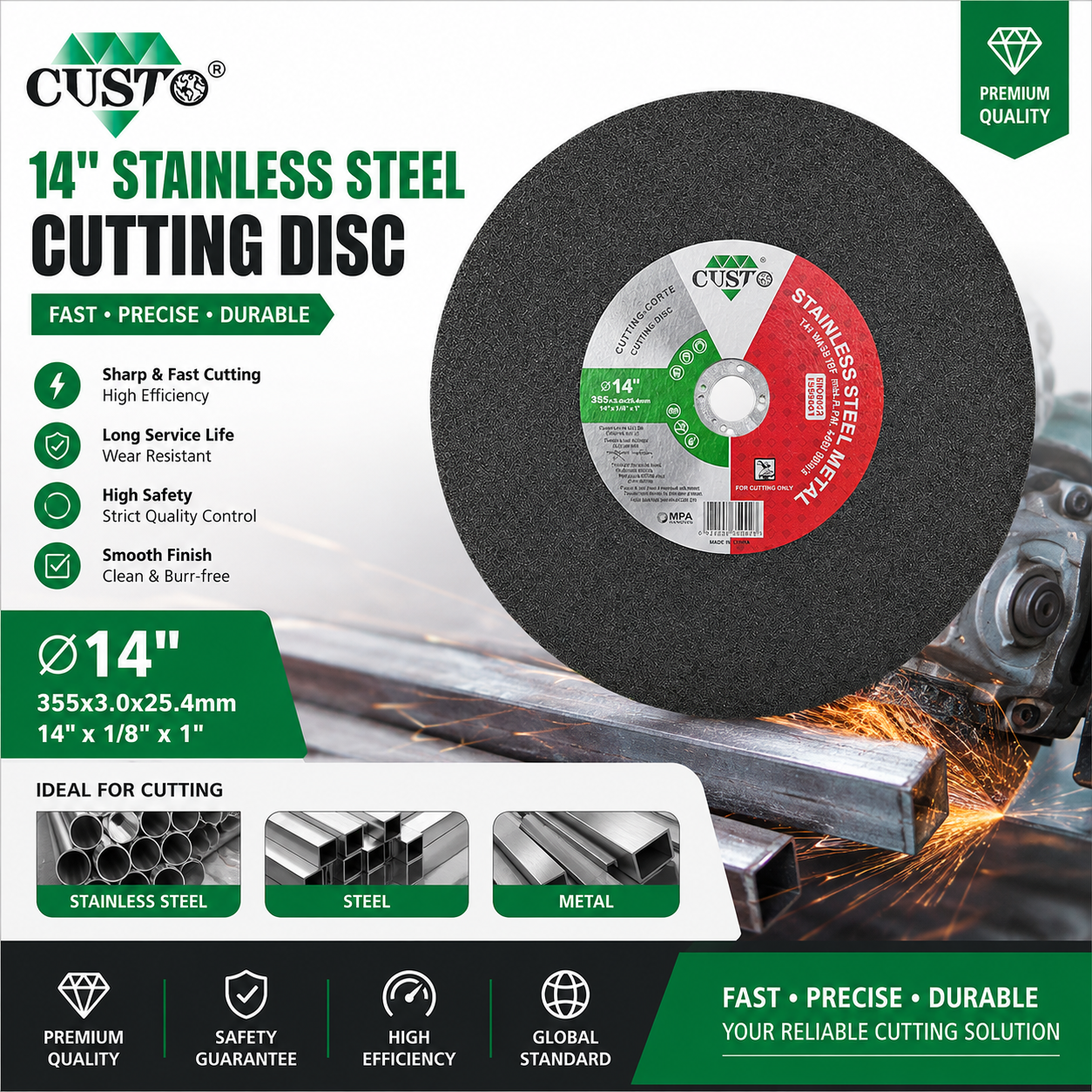
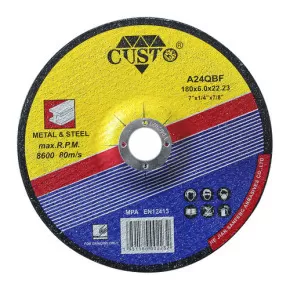
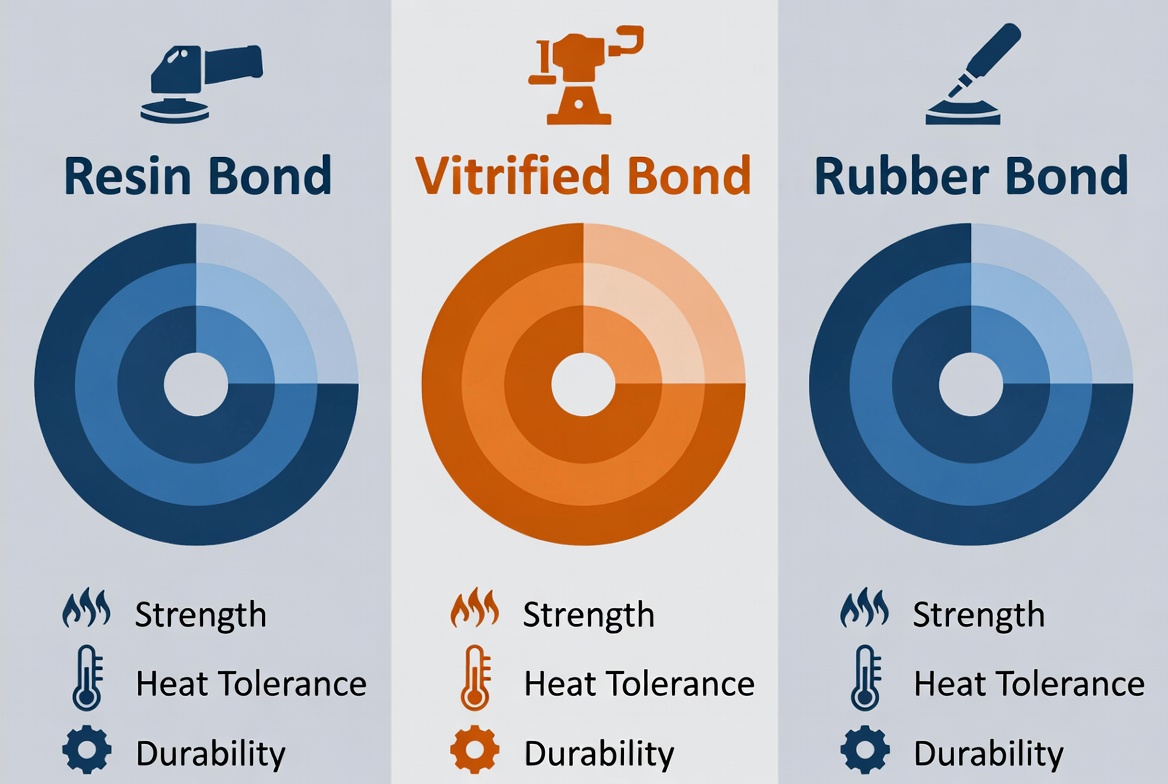
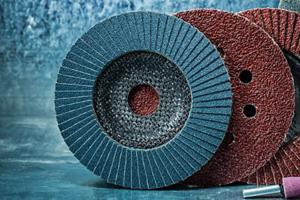
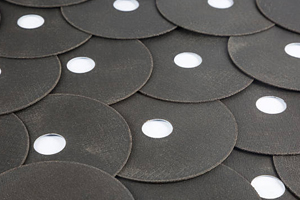
Les différences entregrinding wheels and cutting wheelssont cruciales à comprendre pour toute personne travaillant dans la métallurgie ou la fabrication. Les deux sont des composants essentiels dans divers contextes industriels et de bricolage, mais ils servent des objectifs très différents et nécessitent l’application de techniques distinctes. Dans ce guide complet, nous allons explorer ces différences en examinant leurs variations de conception, leurs distinctions fonctionnelles, leur adéquation aux matériaux et leur durabilité. Comprendre ces aspects vous aidera non seulement à choisir l’outil approprié pour votre tâche, mais aussi à optimiser l’efficacité et à garantir la sécurité pendant les opérations. De plus, ces connaissances sont particulièrement précieuses lorsque l’on considèreabrasive wheels typespour des applications spécifiques comme le meulage et la coupe des métaux.
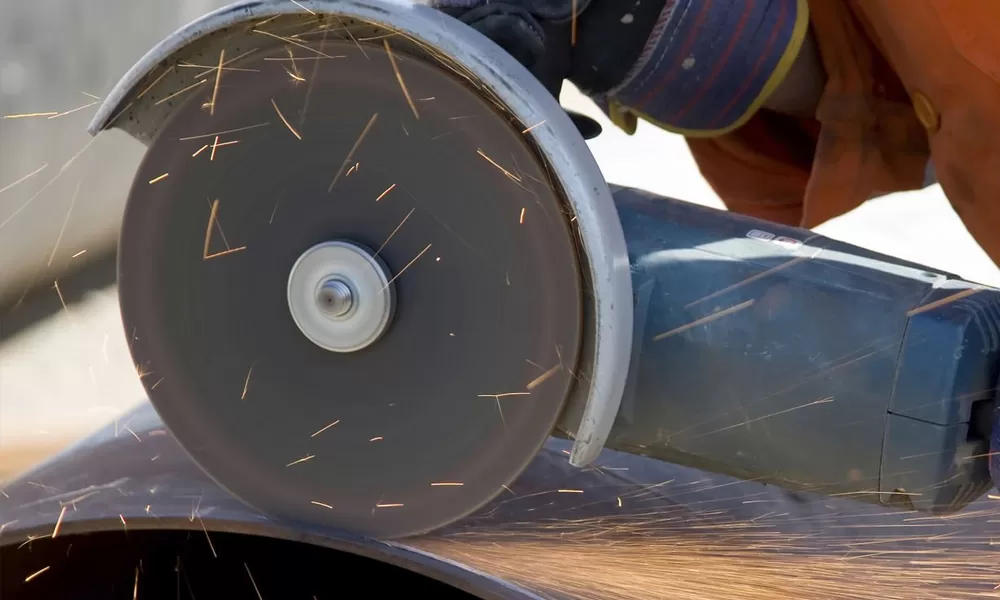
La conception desgrinding wheels and cutting wheelsinfluence considérablement leurs performances. Connaître ces éléments de conception aide les utilisateurs à faire des choix éclairés et à utiliser ces outils de manière efficace.
| Wheel Type | Design Features | Intended Use |
|---|---|---|
| Grinding Wheel | Thick, strong bonding, large grit sizes | Grinding, shaping, and removing material |
| Cutting Wheel | Thin, sharp, coated for clean cuts | Cutting through materials with minimal burr |
The grinding wheel manufacturersdesign these wheels to handle the stresses of shaping and smoothing surfaces. In contrast, thecut off wheelis crafted to slice through metals like butter, ensuring precision cuts with minimal waste.
The functional aspects ofgrinding wheels and cutting wheelsalign closely with their designs but differ notably in operation and application.
| Functionality | Grinding Wheel | Cutting Wheel |
|---|---|---|
| Material Removal | Yes, with a focus on surface grinding and finishing | Limited to making cuts |
| Speed of Use | Slower, due to extensive contact | Faster, less contact area |
| Heat Generation | High, requires cooling | Moderate, less heat dispersion |
In practical terms, using aninox cutting wheelon an angle grinder is suited for cutting tasks, whereas aflap disc for grindercan be employed for both finishing and blending surfaces post-cutting. Each wheel's optimal performance is assured by adhering to its designated function.
Selecting the correct wheel based on material is critical. Different wheels are optimized for different materials, contributing to better results, efficiency, and tool longevity.
| Wheel Type | Material Suitability | Common Applications |
|---|---|---|
| Grinding Wheel | Suitable for metals, including stainless steel | Material shaping, deburring |
| Cutting Wheel | Optimal for metals, stone, or plastic | Precision cutting |
For instance,7 inch metal grinding discsdesigned to work on steel might not be suitable for softer metals like aluminum unless specified as analuminum grinding wheelChoosing the right wheel for the right material can prevent issues such as glazing or excessive wear.
Durability influences cost-effectiveness and user satisfaction in both grinding and cutting processes. A wheel's lasting power is often a measure of its quality and usability across different applications.
| Durability Aspect | Grinding Wheel | Cutting Wheel |
|---|---|---|
| Wear Resistance | High, sustained over prolonged use | Moderate, can degrade faster with heavy-duty cutting |
| Replacement Frequency | Less frequent | More frequent, especially under heavy use |
For example, using aflexible grinding discof superior quality leads to improved productivity as it requires fewer replacements. Conversely, acutting wheel for aluminiummay wear quicker due to the softer metal despite its faster cutting speed.
Identifying the correct application is crucial for optimal results when using either a grinding or cutting wheel. This ensures efficiency and maximizes tool life.
| Task | Suggested Wheel | Benefits |
|---|---|---|
| Metal Polishing and Smoothing | Metal polishing wheel for bench grinder | Achieves a smooth, reflective finish |
| Metal Cutting | Metal cutting wheel for grinder | Precision cuts with clear edges |
Utilizing aflap wheels for aluminumcan provide excellent smoothness when polishing while acut off wheel for grinderis ideal for metal separation tasks. Always ensure the wheel is compatible with the wheelabrasive cut off wheeltool and intended material to achieve the best outcome.
Both grinding wheels and cutting wheelshold distinct advantages and are designed to serve different needs in the metalworking and greater industrial fields. Their differences, ranging from design to material suitability, should guide users in selecting the most effective tool for their application. Understanding these variances not only enhances work efficiency but also contributes to the longevity of the tools used. Whether you're engaging withabrasive flap wheelfor delicate finishing or leveraging acut off wheel for aluminiumfor quick cuts, this article aids in making knowledgeable choices. By aligning your tool choice with specific task requirements, efficiency and product quality are substantially improved.
 English
 Türkçe
 한국어
한국어 français
 Español
 русский
 português
 العربية
 български
 Nederland
 Latinae